
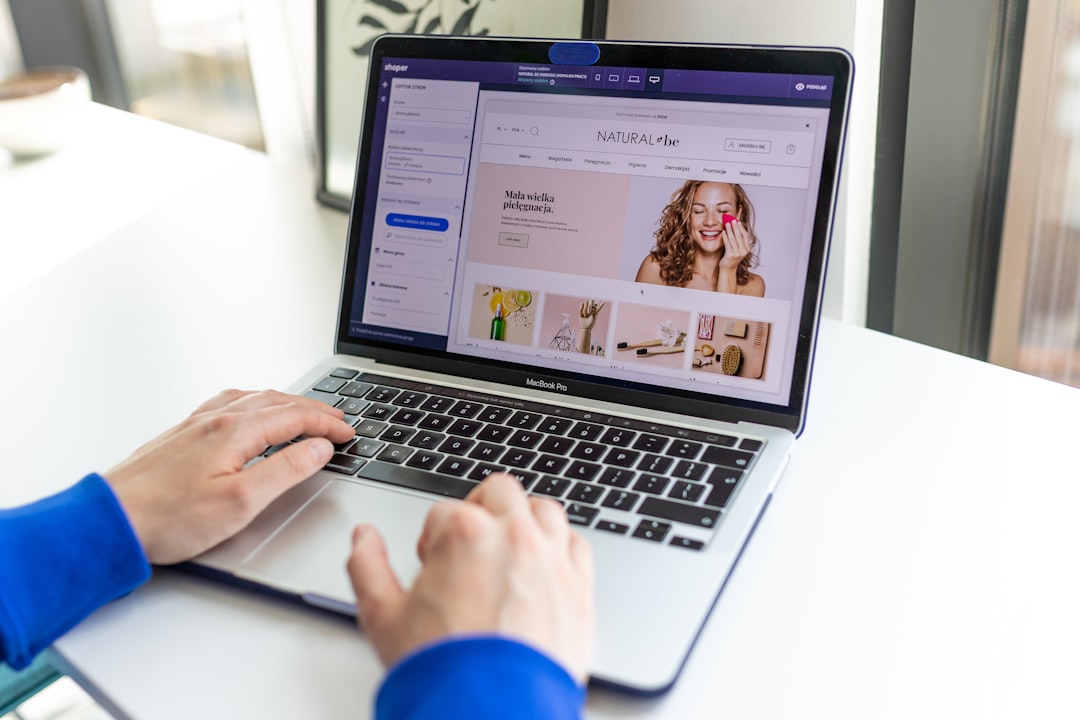
Shopify vs Amazon: The Big Question for New Sellers
If you're just starting out in e-commerce, one of the first decisions you'll face is choosing where to sell your products. Two names come up almost immediately: Shopify and Amazon. Both are powerful platforms, but they work very differently — and the right choice depends entirely on your goals, budget, and how much control you want over your business.
This guide breaks down the key differences in plain language so you can make a confident, informed decision from day one.
Understanding How Each Platform Works
Before comparing the two, it helps to understand what each platform actually is.
What Is Shopify?
Shopify is an e-commerce platform that lets you build your own online store. You own your website, your brand, and your customer relationships. You're essentially creating a standalone business on the internet. Shopify gives you the tools — design templates, payment processing, inventory management — but driving traffic to your store is your responsibility.
What Is Amazon?
Amazon is an online marketplace where millions of shoppers already browse and buy every day. When you sell on Amazon, you're listing your products inside their ecosystem. The traffic is already there, but so is the competition — and Amazon sets most of the rules.
Key Differences: Control, Costs, and Competition
Brand Control
With Shopify, you have full control over how your store looks and feels. You choose your domain name, design your pages, and build a brand that customers will remember. With Amazon, your products appear on Amazon's pages — not yours. Customers are shopping on Amazon, not visiting your brand.
Startup Costs
- Shopify: Plans start at around $39/month. You'll also need to budget for a domain name, apps, and marketing.
- Amazon: Individual sellers pay $0.99 per item sold. Professional sellers pay $39.99/month. Amazon also charges referral fees (typically 8–15% per sale) on top of that.
Competition
On Amazon, you're competing with thousands of other sellers — sometimes including Amazon itself. On Shopify, your competition is the entire internet, but at least you're not on the same page as your direct rivals.
Traffic
Amazon has a massive built-in audience. Shopify stores start with zero traffic and require consistent marketing efforts through SEO, social media, or paid ads to attract visitors.
Which Platform Is Better for Beginners?
This is where things get nuanced. There's no universal "best" choice — it depends on your situation.
Choose Amazon If…
- You want to start selling quickly without building a website
- You have products that fit established categories with high demand
- You're comfortable with lower profit margins in exchange for built-in traffic
- You want to test a product idea before committing to a full brand
Choose Shopify If…
- You want to build a real, long-term brand
- You want full ownership of your customer data and relationships
- You're willing to invest time in learning marketing and SEO
- You're selling niche or unique products that benefit from storytelling
Many successful sellers actually use both platforms together — starting on Amazon for quick sales and building a Shopify store in parallel to grow their brand independently.
Ready to start your Shopify store? Get 3 days free + 3 months for $1/month, plus a complete first-sales training — 100% free.
Start now — free training included3 days free · 3 months for $1/mo · Training included
The Hidden Risks Beginners Often Overlook
Every platform comes with its own set of risks, and it's important to know them before you invest your time and money.
Amazon's Risks
- Account suspension: Amazon can suspend your account with little warning, cutting off your income overnight.
- Fee increases: Amazon regularly adjusts its fee structure, which can squeeze your margins.
- No customer ownership: You can't email or remarket to people who buy from you on Amazon.
Shopify's Risks
- Traffic dependency: Without marketing, your store won't get visitors. This takes time and budget to build.
- Ongoing costs: Monthly fees, app costs, and ad spend can add up quickly.
- Steeper learning curve: Setting up a professional-looking store takes more effort than listing on Amazon.
Making Your Final Decision
Here's a simple way to think about it: if you want speed and access to existing buyers, start with Amazon. If you want freedom, brand ownership, and long-term scalability, invest in Shopify. Neither platform is a shortcut to success — both require effort, strategy, and patience.
The most important thing is to start. Pick the platform that aligns best with where you are right now, learn the ropes, and adjust your strategy as you grow. Many of today's most successful online sellers began exactly where you are — with one product and one question: where should I sell this?
Ready to start your Shopify store? Get 3 days free + 3 months for $1/month, plus a complete first-sales training — 100% free.
Start now — free training included3 days free · 3 months for $1/mo · Training included
Frequently Asked Questions
- Can I sell on both Shopify and Amazon at the same time?
- Yes, and many sellers do. You can use Shopify as your primary store while also listing products on Amazon to reach a wider audience. Some apps even let you sync inventory between both platforms automatically.
- Is Shopify or Amazon cheaper for beginners?
- It depends on your sales volume. Amazon's individual plan has no monthly fee but charges per-item fees, while Shopify charges a flat monthly rate. For beginners with low sales volume, Amazon can feel cheaper upfront — but fees add up quickly as you scale.
- Do I need a business license to sell on Shopify or Amazon?
- Not necessarily to get started, but requirements vary by country and product type. It's always a good idea to consult a local business advisor or accountant to make sure you're operating legally as your store grows.
